Help a friend campaign
Good friends notice when something’s not right. If a friend’s relationship feels controlling, frightening, or isolating, you can help them find support. This page explains the signs to look for and how to start a caring conversation, whatever their gender or sexuality.
Learning the signs to help a friend
Abuse isn’t always obvious from the outside. It’s often about control, not just physical harm. Here are six behaviours that could mean a friend’s partner is controlling or hurting them.

Pulling away from friends and family
If a friend suddenly stops seeing people, cancels plans, or seems cut off from their usual support network, it could be a sign of isolation.

Constant checking in or tracking
Does their partner need to know where they are at all times, or check their phone and messages? This can be a form of control.

Making excuses for their partner
If a friend often explains away their partner’s behaviour, or blames themselves for arguments, they may be experiencing manipulation.

Seeming anxious or on edge
Watch for a friend who seems nervous, jumpy, or careful about what they say when their partner is mentioned or nearby.

Being pushed into decisions
Feeling rushed or pressured into moving in together, staying in a relationship, or keeping secrets can be a warning sign.

Jealousy that feels controlling
A partner who reacts to friendships or family time with jealousy, blame, or accusations may be trying to control the relationship.

How to talk to your friends about abuse
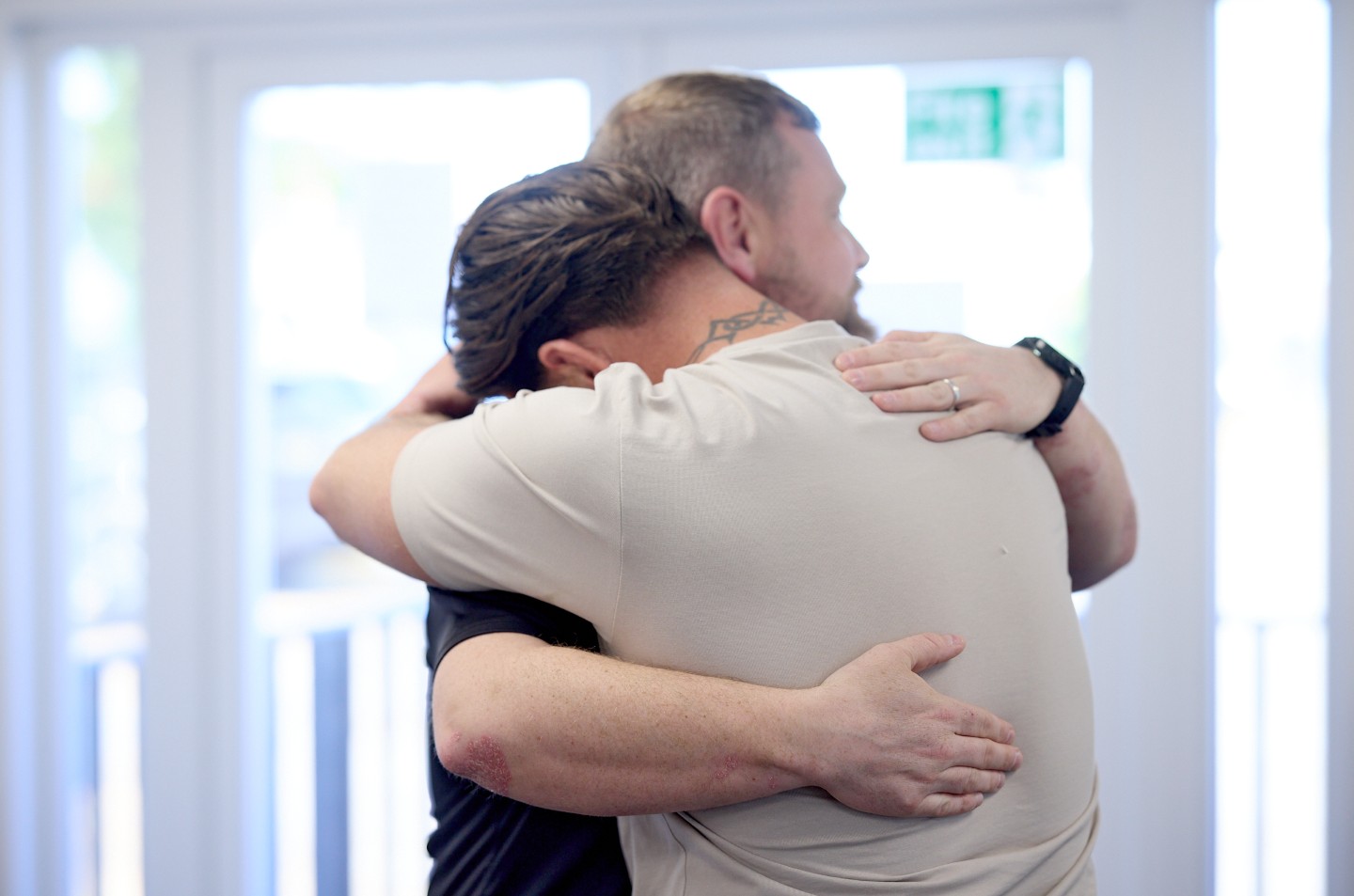
It can feel daunting to bring this up. You don’t need the perfect words. What matters most is that your friend feels heard and believed. Listen without judgement, and let them know you’re on their side. Avoid pushing them to leave or make quick decisions; instead, focus on showing you care and that support is available whenever they’re ready. Choose a private moment to talk, away from their partner, and be patient. It may take time before your friend feels able to share more, or take any next steps.

Refer yourself or someone you’re worried about
Whether you’re looking for support for yourself or someone else, we’re here to help. Complete the referral form or contact us directly – choose whichever feels best for you. You don’t have to use your real name and you can choose how much to share. We’ll respond within 48 hours.
Questions you might have about helping a friend
We know reaching out can feel like a big step. Here are answers to some questions you might have.
What if I’ve got it wrong?
If something feels off, it’s worth mentioning. You don’t need to be certain. A gentle conversation won’t do harm, and it shows your friend you care.
Should I contact the police?
If your friend, or anyone else, is in immediate danger, call 999. Local domestic abuse services can advise on next steps too.
What happens when I contact you?
You can complete our referral form or contact us directly – whichever feels best for you. You don’t have to share your real name, and you can choose how much to tell us. We’ll respond within 48 hours.
What if my friend doesn’t want to talk about it?
That’s OK. Let them know you’re there whenever they’re ready, and keep checking in. Feeling able to choose when to talk matters.
My friend doesn’t want to leave their partner. What can I do?
Leaving isn’t always simple, and it’s your friend’s decision to make in their own time. You can keep supporting them and let them know help is available whenever they’re ready.