Help for children affected by domestic abuse
Domestic abuse affects children even when they’re not the one being targeted. Hearing, seeing, or sensing what’s happening at home can be frightening and confusing, whatever a child’s age. We’re here to help direct you to the most relevant and appropriate support.

Juno Women’s Aid
Domestic abuse can directly affect children in a family home as well as teenagers in their own intimate relationships. At Juno, we provide specialist, trauma-informed services to aid children and teenagers in their healing process

Nottinghamshire Women’s Aid
Children, Young People’s & teens Domestic Abuse Support Workers

Imara Domestic Abuse Services
We provide support for children, young people and families affected by domestic and/or sexual abuse across Nottingham City & Nottinghamshire, including those living in refuge and move-on accommodation in the City
Understanding how
domestic abuse affects children
Children don’t have to see abuse happen to be affected by it. Feeling tension at home, hearing raised voices, or sensing that a parent is scared can all have an impact — even when nothing is said out loud.
Every child responds differently. Some feel anxious or find it hard to concentrate at school. Some act out, or seem fine on the surface when they’re not. There is no right or wrong way to feel — and finding it hard doesn’t mean something is wrong with you.
None of this is ever a child’s fault. With the right support, children and young people can talk about what they’ve been through and go on to have happy, healthy relationships of their own.
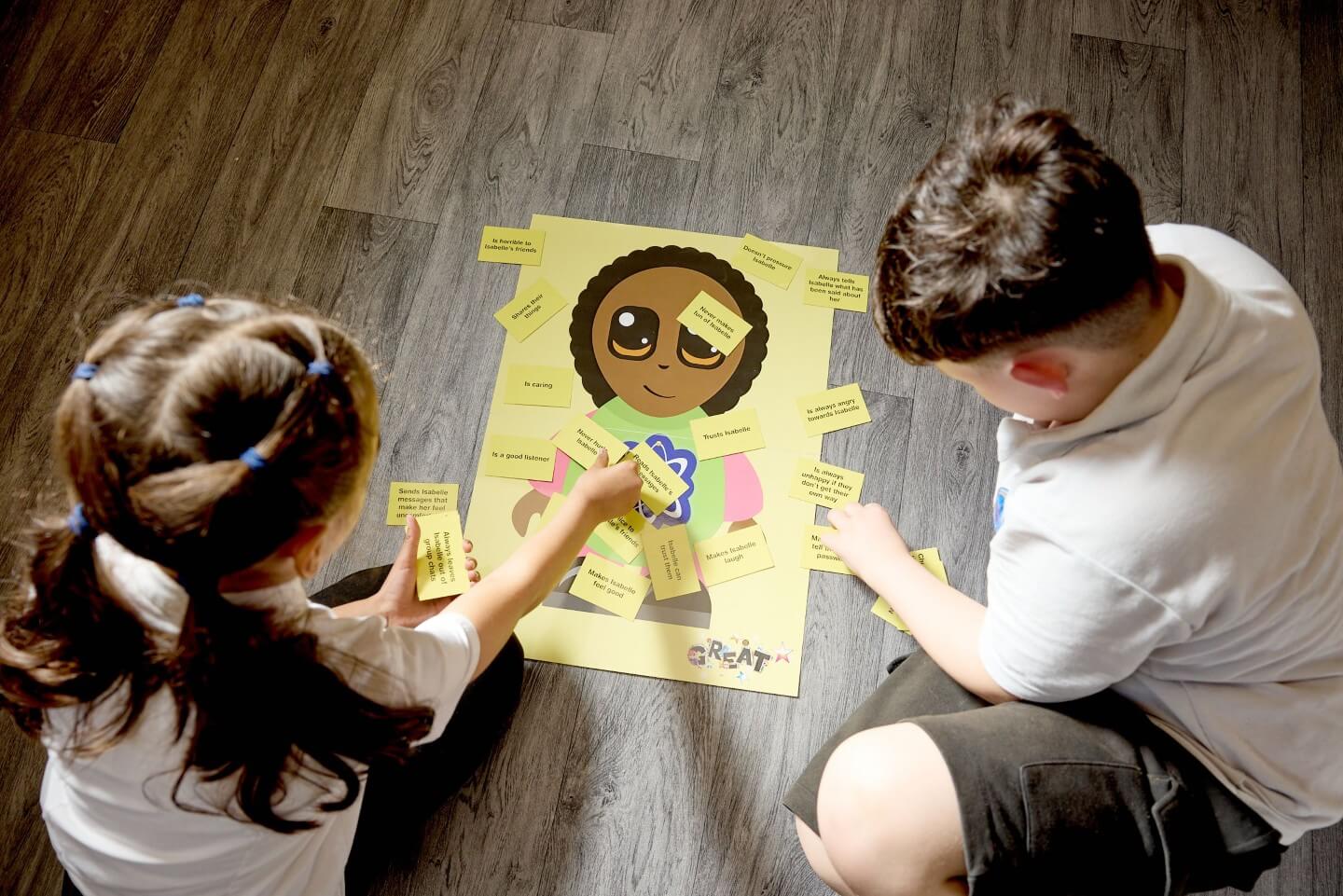
Equation works in schools to help children and young people understand what healthy relationships look like — so they can spot the signs, and know where to turn if they’re worried about themselves or a friend.
Children are victims
Sometimes children and young people live in homes where one person hurts or frightens another. This might mean hearing arguments, seeing someone get hurt, or feeling scared at home. The Domestic Abuse Act 2021 recognised for the first time that children who see, hear, or experience the effects of abuse at home are victims in their own right. This is never a child’s fault — and it is never okay. Children who live with this are affected by it, even if no one is hurting them directly. They deserve support too.
Signs a child may be affected
Children show how they’re feeling in lots of different ways — and sometimes they don’t show it at all. If you’re worried about yourself or a child you know, here are some things to look out for.
- Seeming more quiet, worried, or upset than usual
- Changes in behaviour or finding school harder
- Trouble sleeping or concentrating
- Acting differently from how they normally would
- Finding it hard to trust adults or other people
If any of this sounds familiar — whether it’s you, or someone you care about — you don’t have to figure it out alone. Help is available, and it’s okay to ask for it.
Healthy relationships education in schools
The GREAT Project
Developed in 2010 alongside pupils and teachers, The GREAT Project brings healthy relationships education to primary schools across Nottingham City and County, Derbyshire, and Suffolk.
- For primary school pupils
- Delivered across Nottinghamshire, Derbyshire, and Suffolk
- Reaches over 2,500 pupils a year
Equate
A whole-school approach for secondary pupils, covering domestic abuse, gender equality, and healthy relationships. Lessons are designed to fit within PSHE, RSE, and other key curriculum areas.
- For secondary school pupils, all year groups
- Fits PSHE and RSE curriculum requirements
- Delivered to over 8,000 pupils a year
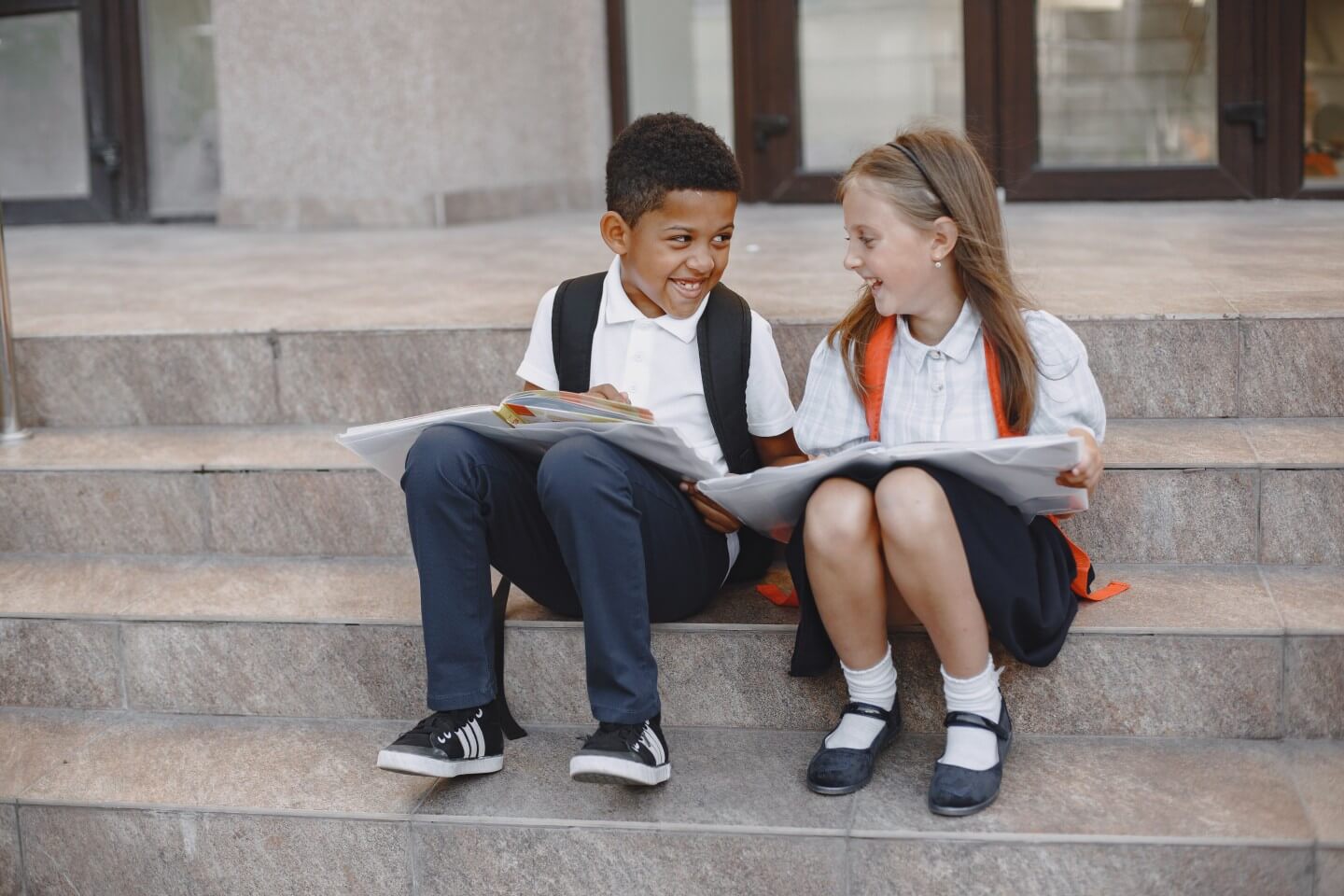
Targeted projects: Choices, Know More
Small-group sessions for young people identified as being at risk, or with low self-esteem and confidence. These build confidence in relationships and support young people to make positive choices.
- Small groups for young people at risk
- Builds self-esteem and confidence
- Supports positive choices in relationships
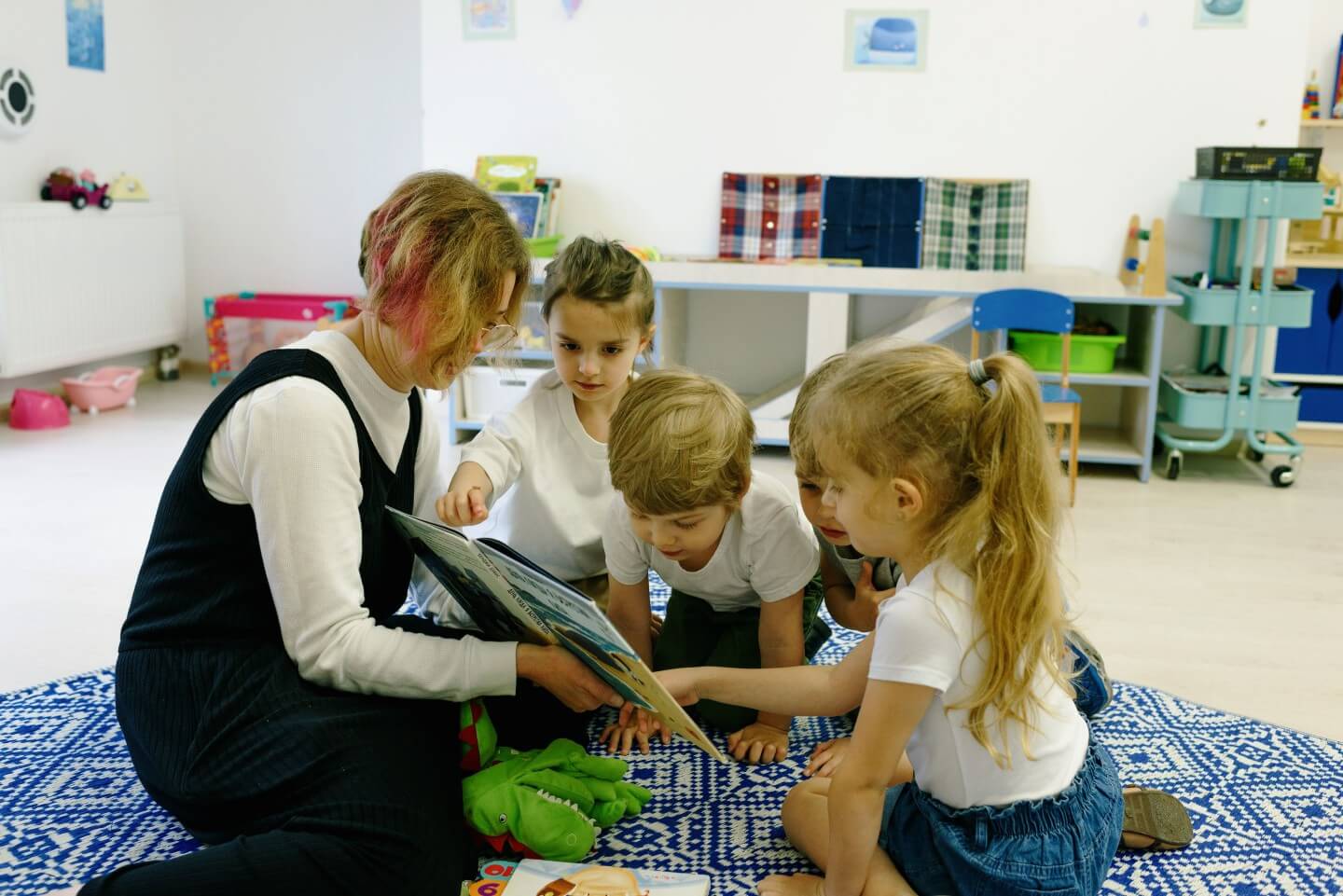
Related resources





Frequently asked questions
Here are some of the questions we’re often asked about support for children experiencing domestic abuse. If yours isn’t answered, get in touch.
How do I get help quickly?
If you’re a child or young person, call Childline free on 0800 1111, any time, day or night.
If you are in immediate danger please call 999
If you’re worried about a child who is experiencing domestic abuse within their family, call Nottinghamshire Police on 101
Alternatively call the Nottinghamshire Domestic and Sexual Violence 24-hour free helpline: 0808 800 0340
This helpline is for all women, teenagers and children in Nottinghamshire affected by domestic abuse. It is run by Juno Women’s Aid
If you know a child is in immediate danger, call 999.
If you’re working with a child or young person experiencing abuse
Find information in our professionals and education area of the website that will help you offer effective support to a child or young person who is experiencing or exposed to domestic abuse, sexual violence, or stalking.
Equation also have support booklets for children and young people in our Resources area of the website. These booklets are designed for professionals to support children and young people who have experienced domestic abuse in their home, family or own relationships.
If you’re hurting your partner or being abusive
If you would like to speak to someone about support options in relation to your behaviour you can call Equation on:
0115 695 0734 or email contact@yourchoiceproject.org.uk
Alternatively if you are not from the Nottinghamshire area you can call Respect on 0808 802 4040.
What if I need help outside office hours
Childline is available 24 hours a day for children and young people, and Juno Women’s Aid runs a 24-hour helpline for anyone worried about a child. Both offer a confidential answerphone or call-back option if lines are busy.
Who do I contact if I am worried about a child or young person
If you’re concerned about a child or young person who is experiencing or exposed to abuse, call the local 24-hour helpline on 0808 800 0340, run by Juno Women’s Aid.
National Society for the Prevention of Cruelty to Children (NSPCC)
NSPCC provides advice and support for anyone with concerns about a child.
They have a free helpline: 0800 800 5000 Monday to Friday 10.00am – 8.00pm
If you’re a young person worried about forced marriage
Local support services such as Juno Women’s Aid and Equation can provide support around forced marriages. You can use the contact forms or helpline numbers to get in touch with us.
Karma Nirvana provides support to victims of honour-based abuse, forced marriage or domestic abuse.
Phone: 0800 5999 9247 Monday to Friday 9.00am – 5.00pm
Alternatively you can call the Forced Marriage Unit on 0207 008 0151.
Who can get support from Equation?
Equation provides support for men, women, LGBTQ+ people, children, and young people across Nottinghamshire. For children and young people specifically, we focus on prevention through schools, and work alongside specialist services like Childline and Juno Women’s Aid for direct support and crisis help.
Contact Us
For more guidance on how to access support for children and young people please use the contact form opposite or email cyp@equation.org.uk or call 0115 9623237