Early intervention for children and young people
Equation’s targeted projects build self-esteem and confidence in children and young people, addressing the risk of domestic abuse and sexual violence before attitudes have a chance to harden. Sessions are delivered in school, by trained facilitators, and shaped around what your pupils need.
Support shaped around every young person
Targeted work is for any young person who needs trauma-informed intervention. Know More offers this for girls and young women, and Choices for young men – both through small-group sessions building confidence, healthy relationships, and emotional wellbeing.
Know More – for young women
Choices – for young men
Why targeted work is needed in schools
What our targeted projects involve
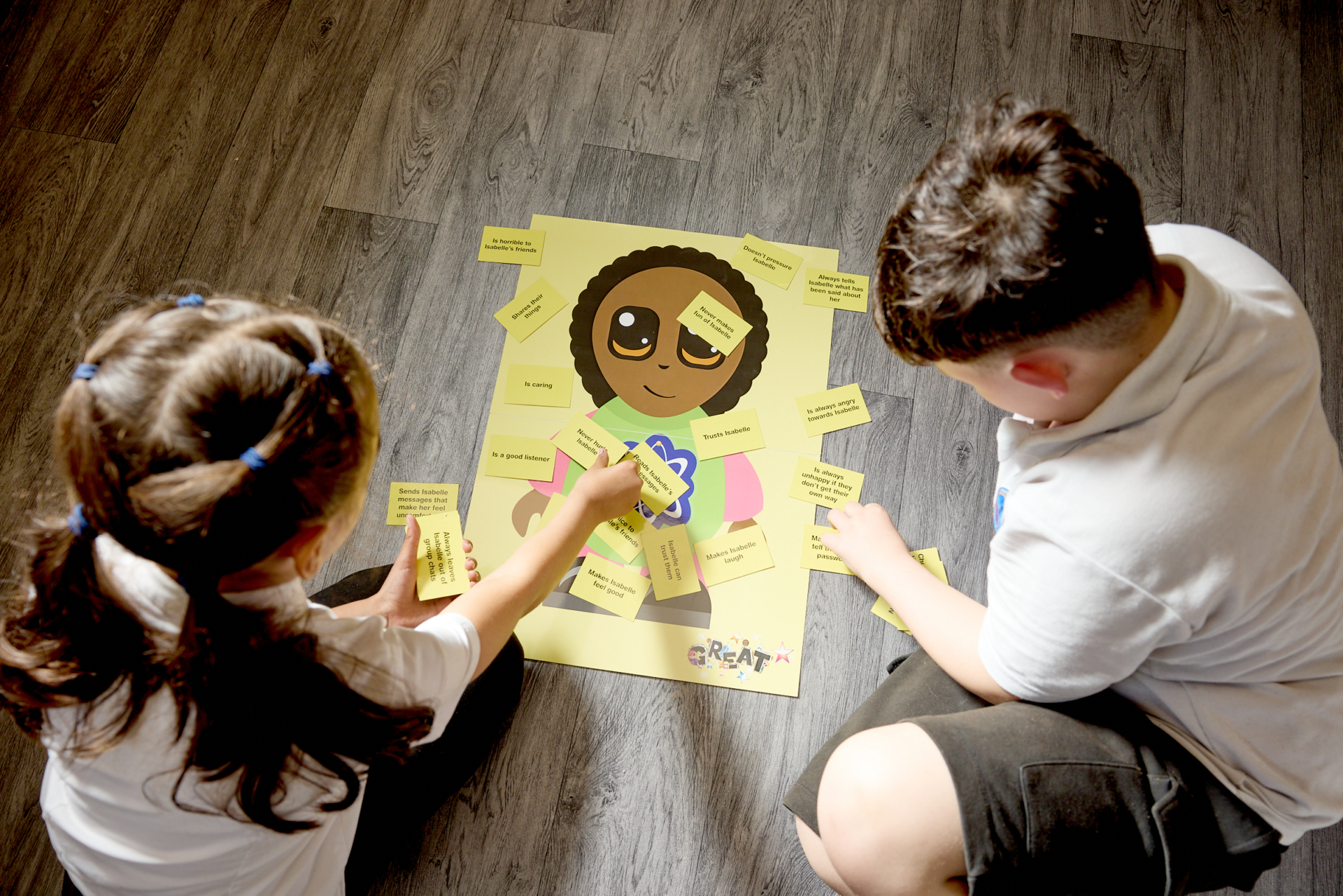
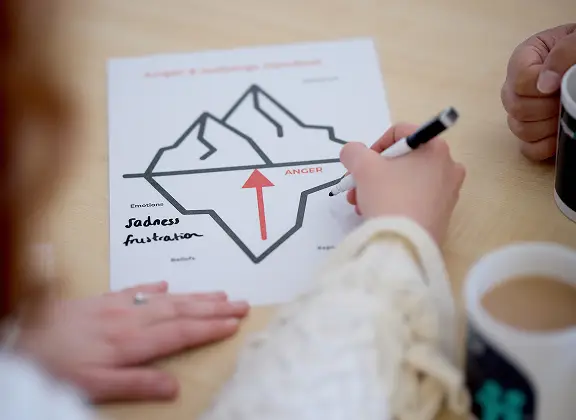
Both Know More and Choices run in small groups, over a series of weekly sessions in school. Our trained facilitators keep things interactive – think group discussion, role play, and creative exercises – as pupils explore healthy relationships, self-esteem, managing feelings, consent, and personal space.
We keep delivery flexible, too. Pace, structure, even the age group – we’ll adapt it to suit your pupils. In fact, one school asked us to run Choices with a younger group than usual, and we did. Each programme ends with a creative piece of work, decided by the young people themselves – often made with local partners, like an art project, a podcast, or a recording at a community studio. It’s their chance to bring their learning together, share it with others, and feel proud of what they’ve made.
Every pupil also completes an individual evaluation with a facilitator in the final session. That way, we can point them towards further support if they need it, and measure the difference the programme’s made.
Who these projects are for
Targeted work is for any young person who needs trauma-informed support – not just those who’ve experienced abuse or shown harmful behaviour themselves.
We offer two small-group programmes: Know More, for girls and young women, and Choices, for young men. Both work around your timetable, and we’ll talk through what’s right for your pupils and setting.
- We’ll ask you a bit about your school and the pupils you have in mind.
- We’ll chat through which programme, group size, and timing works best.
- We’ll agree next steps together, including any paperwork your school needs.
Frequently asked questions
We know reaching out can feel like a big step. Here are answers to some questions you might have.
Who can take part in Know More or Choices?
We work with small groups of pupils identified by their school. Know More is for young women, and Choices is for young men.
How long do the programmes run?
Each programme runs across a series of weekly sessions, usually during the school day. We’ll work with you to find a schedule that suits your timetable.
Is there a cost to schools?
Costs vary depending on your school’s needs – get in touch and we’ll talk you through it.
What happens after the programme finishes?
Every pupil completes an individual evaluation with a facilitator in the final session, and we aim to give every school a report on how it’s gone.
How do we refer pupils from our school?
Just get in touch and we’ll walk you through it – talking about your pupils’ needs, group size, and timing, then agreeing next steps together.
Who delivers the sessions?
Our trained facilitators deliver every session. They’re experienced in working with children and young people on healthy relationships and domestic abuse prevention.
Can sessions be adapted for a different year group or need?
Yes! We keep delivery flexible, and we’ve even adapted Choices for a younger age group before, when a school asked us to.
What if we’re not sure which programme is right for our pupils?
Just get in touch – we’re happy to talk it through and help you decide what’s right for the young people you have in mind.
Contact us
If you would like us to deliver it at your school, or have any questions about our work, please complete our enquiry form. We’d be delighted to answer your questions and discuss opportunities to deliver the project at your school.