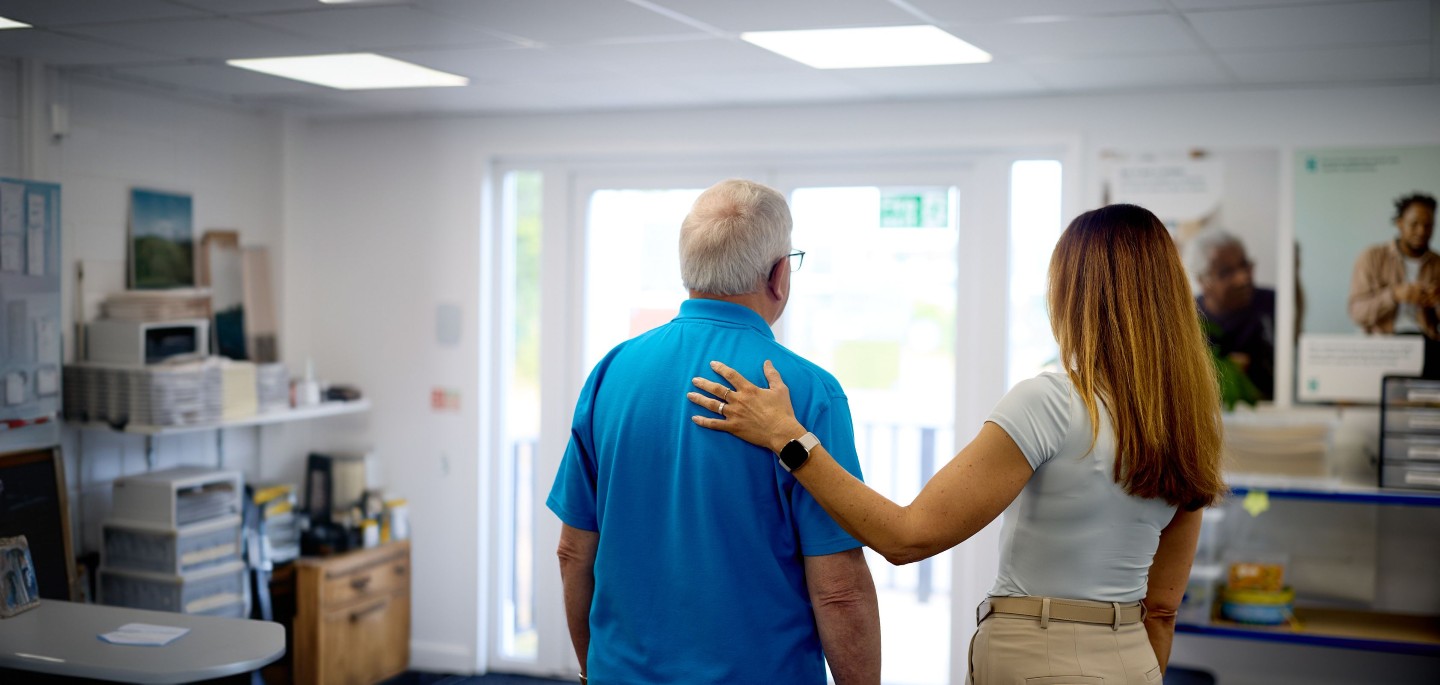
Supporting a survivor of domestic abuse
Guidance for anyone working with someone affected by domestic abuse, whether they’re a specialist or come across it in the course of their work. Find out how to respond, when to refer, and how our domestic abuse services can help.
What you need to know
Domestic abuse doesn’t fit one pattern. Approaching every case with an open mind, rather than assumptions, helps you spot it and respond well.

It can affect anyone
Domestic abuse isn’t limited by gender, sexuality, age or background, and it isn’t only within intimate relationships.

It isn’t always physical
Coercive control, financial abuse and emotional abuse can be just as harmful as physical violence, and are often harder to spot.

Stay professionally curious
Don’t accept a situation at face value, especially if something doesn’t feel right. Our short video explains why this matters.

Asking the question
Professional curiosity is about exploring and understanding what is happening with a family, a child or an adult. It’s about not accepting a situation as it appears, especially if it doesn’t feel right.
This video explains why it’s so important in preventing death due to domestic abuse.
How to respond initially
Listen without judging, and believe what you’re told. Let them know support is available, and ask when and how it’s safe to make contact. It’s okay if they’re not ready for support straight away – a calm response makes it more likely they’ll reach out later.


Training and resources
We help professionals build confidence and skill in recognising domestic abuse and responding safely. Our resources include training sessions, guidance and materials you can share with colleagues or use directly with the people you support.
- Training and workshops for professionals
- Professional curiosity: A short briefing and video
- Our best practice library
- Free resources to order for your service
- Toolkits for teachers and other professionals

Making a referral
Wherever possible, get consent before referring someone to domestic abuse services. If there’s no consent and risk isn’t high, share signposting information instead so they can reach out when they’re ready. You can refer without consent if there’s a high risk of serious harm or death. You can also signpost directly to Juno Women’s Aid or Nottinghamshire Sexual Violence Support Services.
- Ask for consent before making a referral, wherever possible.
- Complete a Domestic Abuse, Stalking and Harassment Risk Identification Checklist (DASH RIC) if you can.
- Add a domestic abuse alert to their case if your system allows it.
- Share signposting information if there’s no consent and risk isn’t high.
- Refer without consent only where there’s a high risk of serious harm or death.
Frequently asked questions
We know reaching out can feel like a big step. Here are answers to some questions you might have.
What if the person doesn’t want support right now?
That’s okay. Being kind and non-judgemental now makes it more likely they’ll approach us or someone else in future. Let them know support is there whenever they’re ready.
Can I refer without the survivor’s consent?
Only where there’s a high risk of serious harm or death. Otherwise, we’d expect consent to be sought first, or signposting information shared instead.
What happens after I make a referral?
We’ll be in touch to arrange next steps, usually within 48 hours. We’ll always work at the survivor’s pace.
Is my referral confidential?
Yes. We handle every referral in confidence and only share information on a need-to-know basis, in line with safeguarding requirements.
Do you support men and LGBTQ+ survivors?
Yes. Our domestic abuse services are open to men and LGBTQ+ people, which are designed specifically for them. Female survivors can get support from Juno Women’s Aid.
Our domestic abuse services
Equation supports survivors of domestic abuse right across Nottingham city and Nottinghamshire. Our services include one-to-one, peer and specialist support for men and LGBTQ+ survivors, as well as programmes for people who want to change their own abusive behaviour. Everything we do is trauma-informed and focused on safety, so you can refer or signpost with confidence.

Refer yourself or someone you’re worried about
Whether you’re looking for support for yourself or someone else, we’re here to help. Complete the referral form or contact us directly – choose whichever feels best for you. You don’t have to use your real name and you can choose how much to share. We’ll respond within 48 hours.
Want to build your skills further?
Book a training session or browse our best practice library for more in-depth guidance.
Complete the form below for help and support
We’ll contact you within 1–2 working days. For your safety, your information won’t be saved unless you submit the form. If you’re in immediate danger or need urgent help, call 999.