
Stalking and harassment
Stalking is a pattern of unwanted, repeated contact that leaves you feeling scared or upset. You don’t need to have been threatened with violence for it to count. If someone’s behaviour is fixated, obsessed, unwanted and repeated, it’s stalking — and support is available.
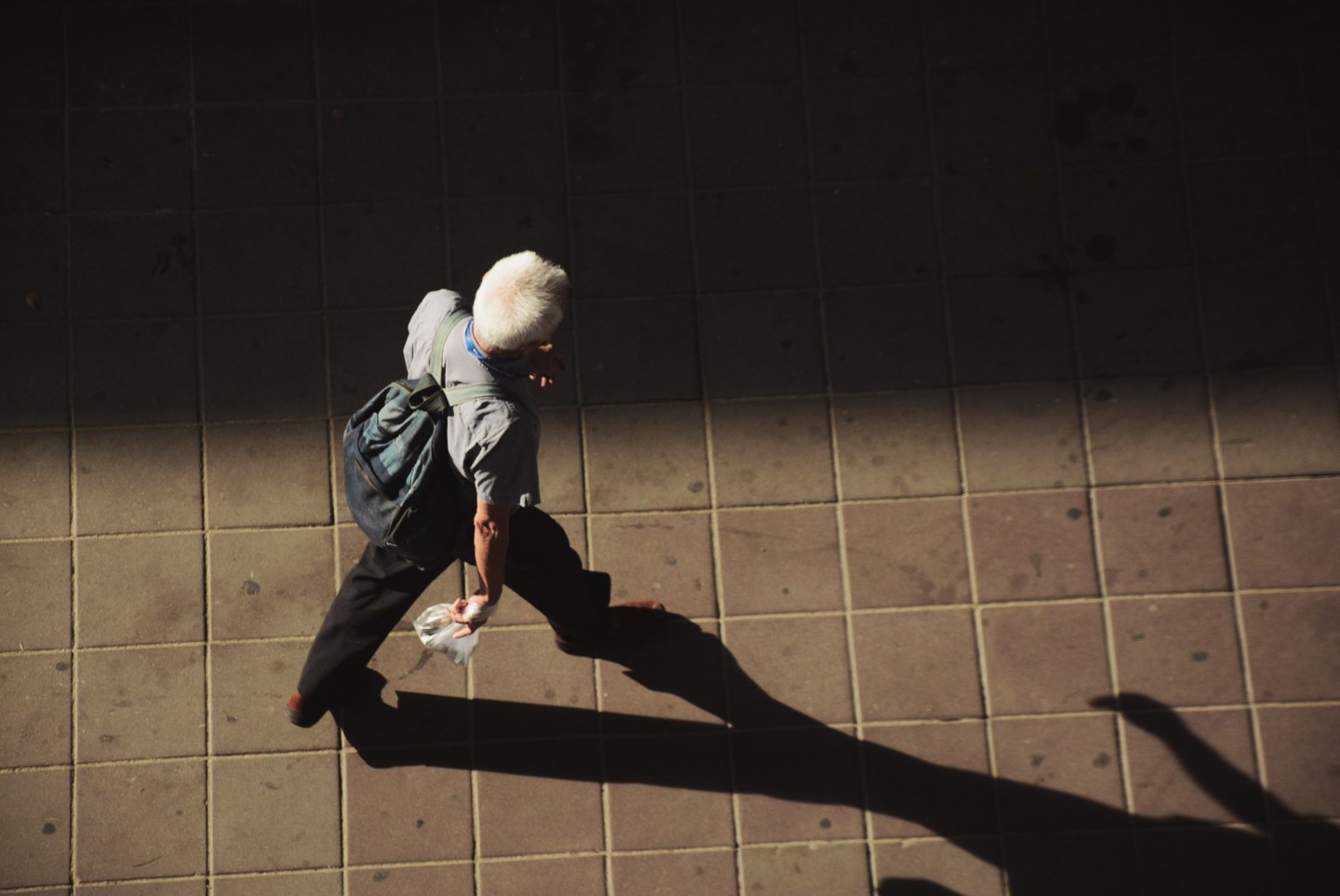
Understanding stalking and harassment
Stalking is a pattern of unwanted, repeated behaviour that can leave you feeling scared or upset. You don’t need to have been threatened with violence for it to count — any persistent, unwanted contact that causes you distress is still stalking, and it’s unacceptable.
On their own, these behaviours can seem small. But when they follow a pattern — Fixated, Obsessed, Unwanted, Repeated (FOUR) — you should record it and report it before it escalates. If the person stalking you is a partner, ex or family member, this is domestic abuse.
- Fixated
A single-minded focus on you that doesn’t let up. - Obsessed
Preoccupation that goes beyond normal interest or concern. - Unwanted
Contact or attention you haven’t asked for or agreed to. - Repeated
A pattern over time, not a one-off incident.
Signs of stalking and harassment
Stalking behaviours don’t always look dramatic. Often it’s a build-up of small, repeated actions that on their own might seem explainable — a message here, an unexpected appearance there. It’s the pattern that matters, not any single incident. If someone’s behaviour is fixated, obsessed, unwanted and repeated, that’s stalking, whatever form it takes. Recognising the pattern early makes it easier to record what’s happening and get support before things escalate. If you’re being stalked by a partner, ex or family member, this is domestic abuse. If it’s someone outside that relationship, it’s called non-domestic stalking, and different support is available.
- Following or turning up unexpectedly
Appearing where you are, or waiting for you, without your consent. - Unwanted contact
Getting in touch in person, online, or through other people, despite you not wanting it. - Monitoring
Tracking your location, or watching your emails and messages. - Threats and damage
Sending unwanted gifts, making threats, or damaging your property.
Next steps for support and awareness
Whether you’re curious to learn more about abuse, recognise these behaviours in your own relationship, or want to support someone else, we can help you find your next step. Browse below to find training, signs of abuse, or ways to get in touch — whatever feels right for you.

Get immediate support
If you or someone else needs support: We’re here Monday to Friday, 9.30am to 4.30pm excluding bank holidays (7.30pm on Wednesdays) – 24/7 confidential answerphone available outside these times.

Order safety resources
View and order resources designed to help survivors and the people who support them.

Learn about other abuse types
Domestic Stalking and harassment rarely happen on their own. Explore Physical abuse, emotional abuse and other forms of domestic abuse to see the fuller picture.

Understand your legal options
Wondering what protection is available? From key terms, to the Domestic Abuse Act, we can help you understand your rights and the routes to safety.

Professional guidance and training
We deliver training for professionals and communities, in person and online, to help you spot the signs and respond confidently.
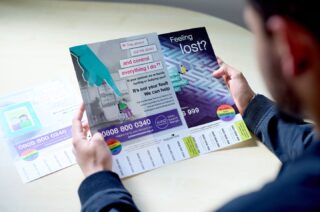
Shop materials & resources
Browse our activity booklets and safety resources, designed to support healthy relationships, safety planning and awareness, for individuals, families and professionals.
Explore key information
Stalking can be confusing to make sense of, especially while it’s happening to you. This section breaks down what counts as stalking, how it connects to domestic abuse, and what support looks like depending on your situation. If you’re a professional supporting someone affected, there’s information for you too.
- Non-domestic stalking is supported by the Nottinghamshire Stalking Advocacy Service.
- Domestic stalking is supported by your local domestic abuse service.
- Referrals for someone else always need their explicit consent first.
What counts as stalking
Stalking is a pattern of unwanted, repeated behaviour that can leave you feeling scared or upset. It includes following you, unwanted contact, monitoring your location or messages, unwanted gifts, threats, or damage to your property. When behaviour is Fixated, Obsessed, Unwanted and Repeated (FOUR), record it and report it.
Is it domestic abuse?
If you’re stalked by a partner, ex or family member, this is domestic abuse — local domestic abuse services can support you. If it’s someone outside that relationship, it’s called non-domestic stalking, and you can get support from the Nottinghamshire Stalking Advocacy Service instead. Both are taken equally seriously.
How to get support
Contact the Nottinghamshire Stalking Advocacy Service for risk assessment, safety planning, and support with reporting, legal options and housing. If it’s a partner, ex or family member, contact a local domestic abuse service instead. Don’t engage with your stalker — report incidents to the police on 999 or 101.
For professionals
The service is coordinated by Nottinghamshire Women’s Aid, working with Juno Women’s Aid, Equation and Nottinghamshire Police to support anyone in Nottinghamshire experiencing stalking, regardless of gender, sexuality or location. You can refer someone you’re supporting once you’ve obtained their explicit consent. Best practice resources are also available.
Are you experiencing domestic abuse stalking? Contact a helpline
Domestic abuse related stalking is unwanted, repeated behaviour from a partner, ex or family member that leaves you feeling scared or unsafe. Equation supports men and LGBTQ+ people across Nottinghamshire experiencing this. We can help with safety planning, understanding your options, reporting to the police, and emotional support. Contact us with the details below or use the ‘make a referral’ page.
Support for men
helpline@equation.org.uk
Support for men
0800 995 6999
LGBTQ+ support
LGBTQ@equation.org.uk
LGBTQ+ support
03300 880787
Still not sure about making a referral?
Many people find it hard to reach out, and that’s okay. Help is here whenever you’re ready. Our team listens to whatever you share, by any method that feels right.
Get help for non-domestic abuse stalking
Please do not complete this form if you are being stalked by a partner, ex, or family.