
Think you’ve been spiked?
Spiking means giving someone drugs or alcohol without their knowledge or consent. It’s a criminal offence, whether or not a sexual assault takes place. If you’re worried about yourself or someone else, help and support are available now.

Know the signs
Spiking can look like being very drunk. Confusion, memory loss, nausea and loss of balance are common signs.

What to do
Stay with the person affected, stop them drinking alcohol, and get them somewhere safe until they feel better.

Get medical help
Go to A&E within 24 hours or call 111 for advice. Call 999 if symptoms get worse quickly.
Understanding spiking
Spiking means giving someone drugs or alcohol without their knowledge or consent. It can happen through a drink, food, or an injection, by a stranger or someone known to the person affected. Spiking is a criminal offence, even if no sexual assault takes place. Being spiked can also affect a person’s ability to consent to sex. Consent can’t be given if someone is asleep, unconscious, drunk, on drugs, or being pressured into saying yes. If you’re not sure what happened, you’re not alone — support is available whether or not you choose to report it.
It’s not always easy to tell if you’ve been spiked, because it can feel similar to being very drunk. Look out for feeling far more drunk than usual, nausea or vomiting, confusion, poor coordination, memory loss, or blurred vision. Some people also experience hallucinations, paranoia, or a sudden loss of balance. Symptoms can appear quickly and feel frightening, both for the person affected and for you. If symptoms get worse — fainting, difficulty breathing, a seizure, or signs of an allergic reaction — this is a medical emergency. Call 999 straight away and ask for an ambulance.
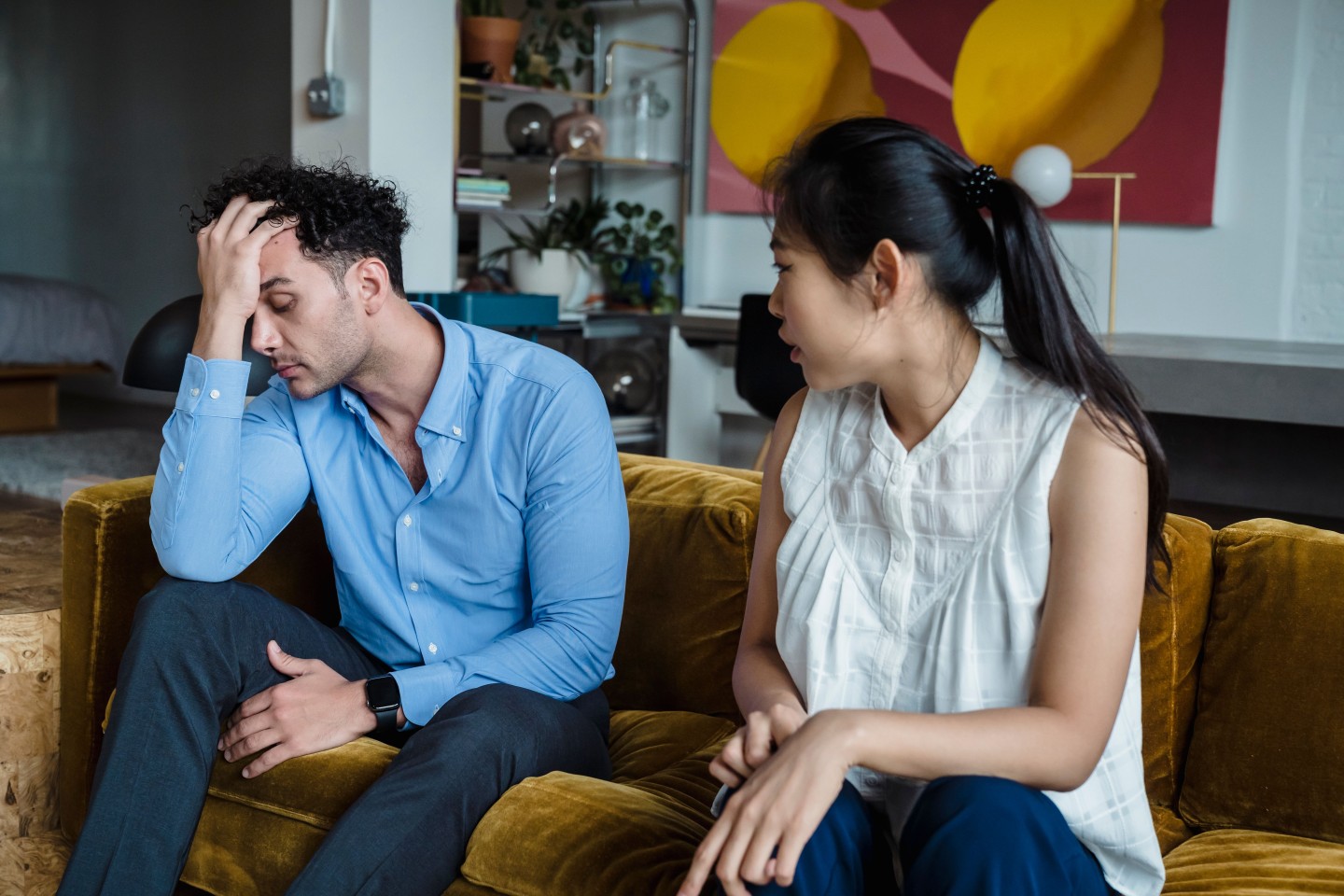
Take action and get support
If you think someone has been spiked, stay with them — don’t leave them alone. Stop them drinking more alcohol, as this can make things worse. Tell bar staff or security, as they may be able to help. Get the person affected somewhere safe and comfortable, and keep reassuring them. Try not to blame them for what’s happened; spiking is never their fault.
If you feel unwell yourself, get to A&E within 24 hours, or ring NHS 111 for advice if things feel less urgent.
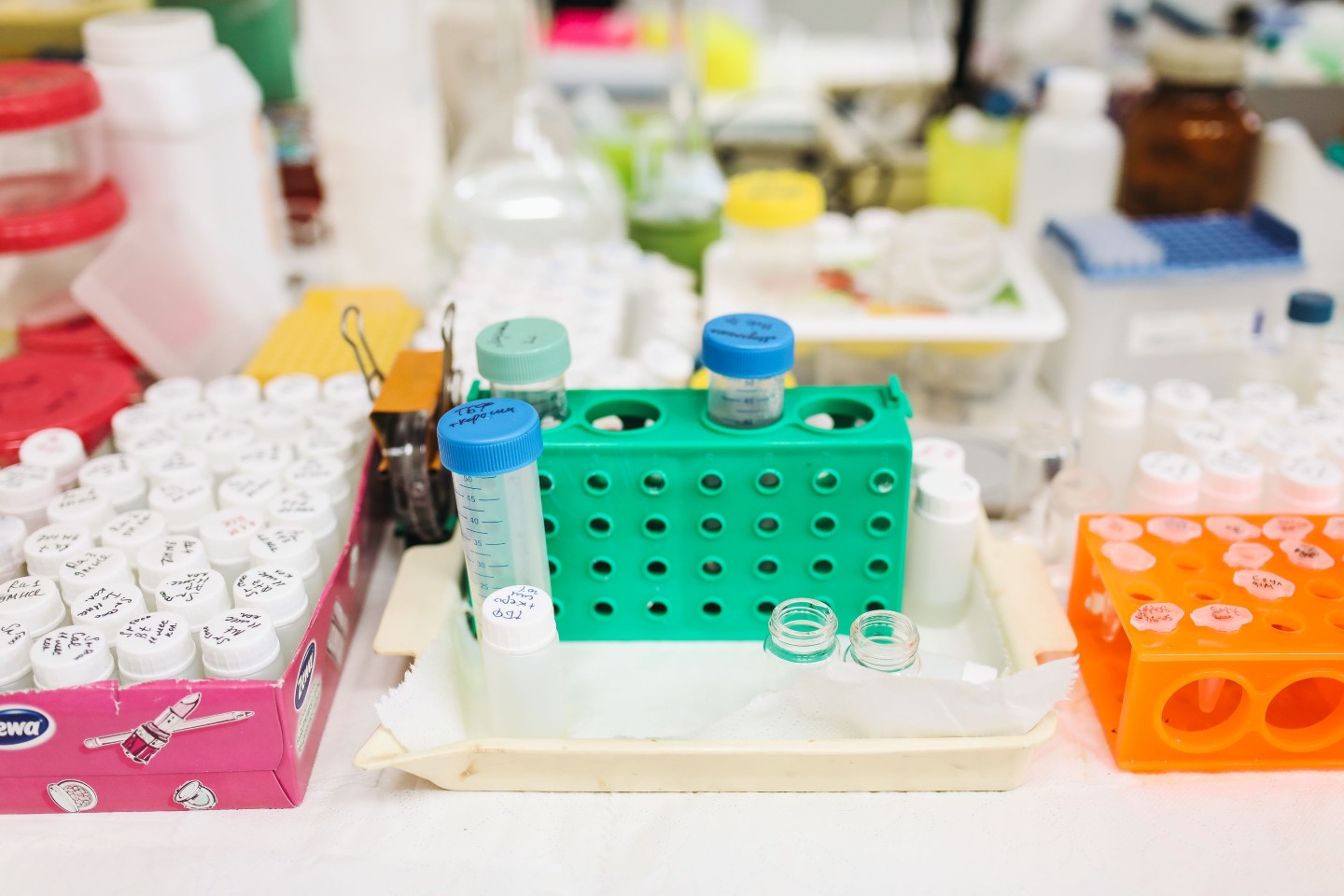
Testing and reporting
You don’t need to report to the police to get support. If you do want to report, forensic evidence is best collected as soon as possible — some drugs leave your system within hours. Ring 101 any time, day or night, to make a report or just get advice. If you suspect needle spiking, contact your local Sexual Health Clinic for tests and vaccinations against infections such as HIV and hepatitis. If you also took drugs or drank voluntarily that night, this doesn’t stop you accessing help or reporting — you won’t be judged or searched.
- Visit A&E or ring 111
- Ring 101 to report to the Police
- Contact a Sexual Health Clinic
Support services for you
The Topaz Centre
24-hour support for anyone who has experienced rape or sexual assault in the last week, including help with reporting to the police.

Nottinghamshire sexual violence support services
Compassionate support and advice for anyone affected by spiking or sexual violence, whatever their race, gender, or sexual orientation. They can help with reporting, even if you’re unsure, and can direct you to other organisations for aftercare. 0115 941 0440. Monday–Friday 10am–1pm and 4.30–7.30pm, Saturday 10am–1pm.

Sexual Health Clinics
Get tested and vaccinated as soon as possible if you suspect needle spiking. Some treatments, including for HIV, need to start quickly after the event.
Spike Report (The Egalitarian)
Add your experience to a community-led database that helps venues understand where and how spiking happens, without sharing your name or personal details.

Related resources




Frequently asked questions
Answers to common questions about spiking, getting help, and reporting. If you can’t find what you need here, get in touch with a support service directly.
How do I know if I’ve been spiked?
It’s often hard to tell, as symptoms can feel like being very drunk. If something feels wrong, trust that and get help.
Is spiking a crime even without sexual assault?
Yes — spiking is a criminal offence on its own.
Can I get tested for drugs or infections?
Yes, through your local Sexual Health Clinic, especially if you suspect needle spiking.
What happens if the person affected is under 18?
Contact Nottinghamshire Sexual Violence Services for specific advice and support.
What should I do right now?
Get to A&E within 24 hours, or ring 111. If symptoms are severe, call 999.
Do I have to report it to the police?
No. Support is available whether or not you report.
What if I’d also taken drugs or alcohol voluntarily?
This doesn’t stop you accessing help or reporting. You won’t be judged or searched.
Is my information kept confidential?
Yes — you can access support and advice confidentially, whether or not you choose to report.