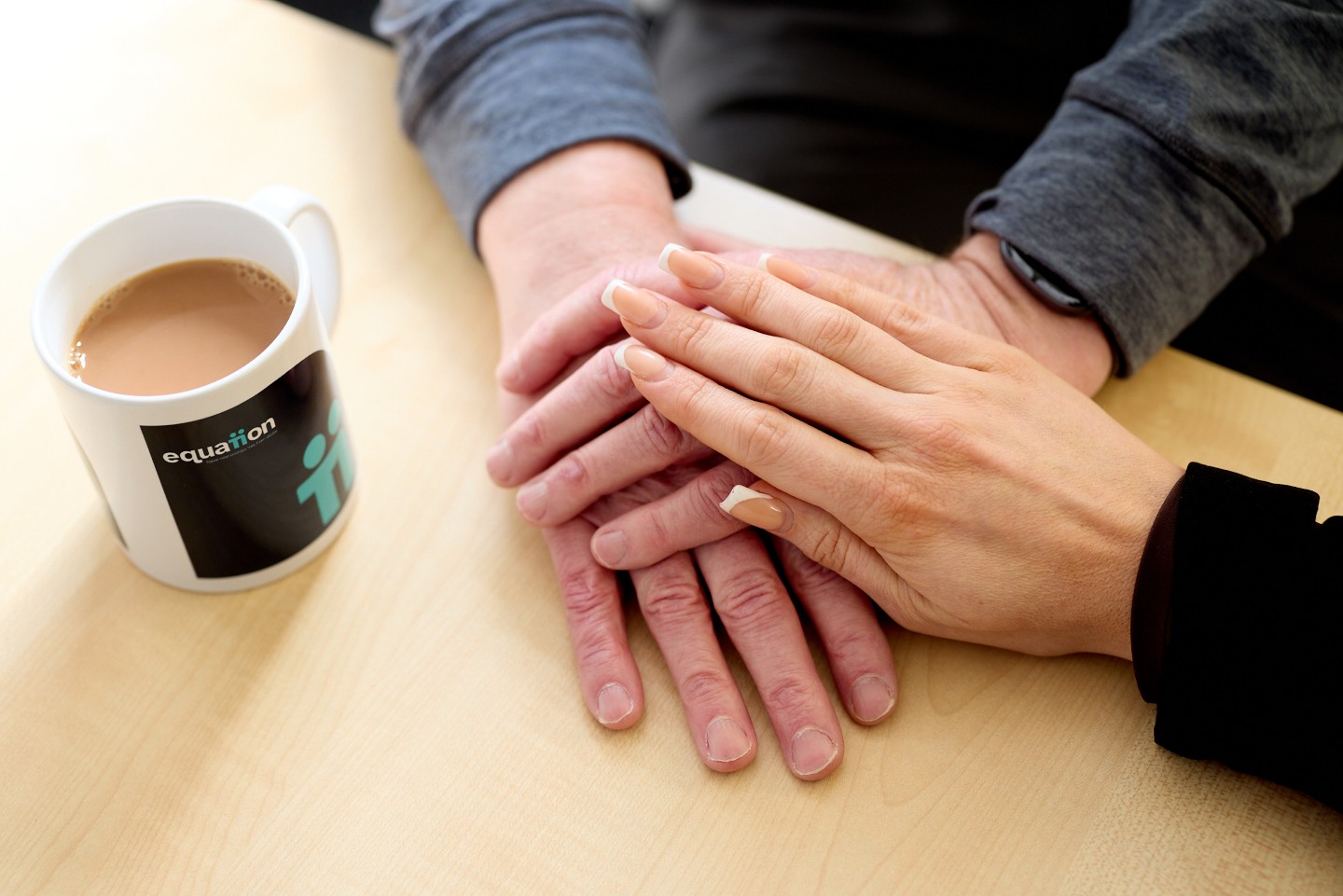
Feeling unsure?
Not sure if what’s happening is abuse?
Abuse can be hard to name, especially when it’s built up slowly, or when you love the person involved. A conversation with us can help you make sense of what’s going on — with no pressure and no judgement.
Why it can be hard to reach out
There are lots of reasons it’s difficult to know if what you’re going through counts as abuse. These are some of the most common.
It doesn’t feel “bad enough”
Abuse doesn’t have to be physical, or dramatic, to be serious. If something feels wrong, it’s worth talking about.

It’s become your normal
When abuse builds up slowly, it can start to feel ordinary. You might not have anything to compare it to.

You don’t want to label it
You don’t have to call it “abuse” to get support. You can just tell us what’s happening.

You’re not sure it counts
Confusion is common, even when things feel difficult. You don’t need to be certain before you get in touch.


What if I’m not sure about calling?
Even once you’re thinking about reaching out, other worries can surface — how we’ll respond, what happens to your children or pets, being overheard, or being pushed into anything early.
We won’t pressure you to leave, report anything, or decide anything. You stay in control of what you share, and what happens next.
This applies to anyone. Domestic abuse can affect anyone, whatever their gender, age, size, or background, and you’ll always be believed. LGBTQ+ people can feel especially unsure about helplines, often because of a difficult experience before. Our team is non-judgemental, specialist, and here for you.
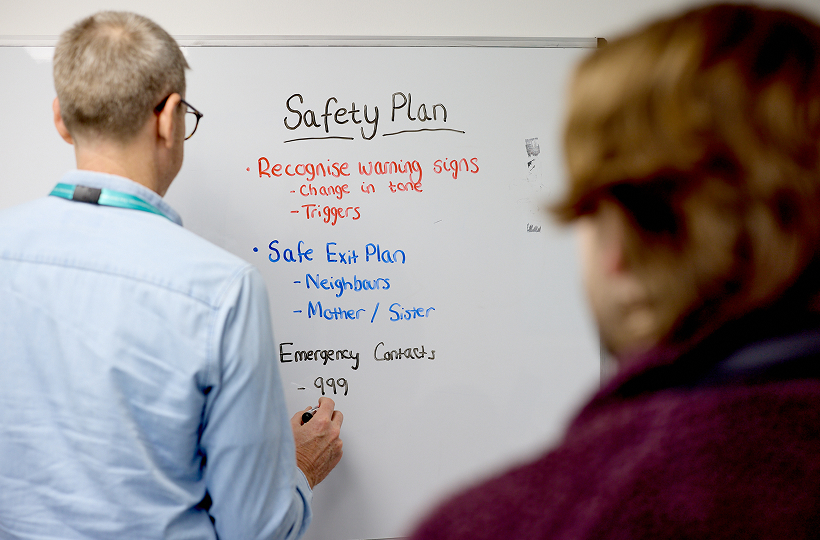
You’re in control of what happens next
There’s no single “right way” to reach out. These are some lower-pressure options, so you can choose what feels manageable right now.
- Call for an informal chat
You don’t have to give your name, and you don’t have to have a plan. - Speak to us anonymously
Nothing you share commits you to anything further. - Submit a referral form instead
Tell us how and when you’d like us to contact you, so you stay in control from the start.
Frequently asked questions
Some common questions people ask when they’re feeling unsure about getting in touch.
Who can I get support from?
We support men aged 16+ in Nottingham city, and 18+ across Nottinghamshire county. We work with all sexualities, ethnicities and cultural backgrounds.
Our partner Juno Women’s Aid support children aged 5-17 in Nottingham and Ashfield, Broxtowe, Gedling and Rushcliffe, As well as young people (male and female) aged 13-17 in Nottingham City, Ashfield, Broxtowe, Gedling and Rushcliffe.
Will I have to talk about everything straight away?
No. You can share as much or as little as you want, at your own pace. Some people just want to talk something through once.
Is what I tell you confidential?
Yes. Conversations with us are confidential. If you have specific worries about privacy, you can ask us about this directly when you get in touch.
Can I contact you without giving my name?
Yes. You can call for an informal, anonymous chat, or use our referral form to tell us how and when you’d like to be contacted.
What if I decide this isn’t the right time for me?
That’s completely okay. Getting in touch doesn’t commit you to anything, and you’re welcome to reach out whenever feels right.
Do I need to know for certain that it’s abuse before I contact you?
No. Many people who contact us aren’t sure. Talking it through with someone can help you work out what’s going on — there’s no test you need to pass first.
Will you make me leave, report anything, or take action I’m not ready for?
No. We won’t pressure you into any decision. You stay in control of what happens, and when.
I’m worried about my children or pets. Can I still talk to you?
Yes. You can raise any concerns about children or pets when you contact us, and we’ll talk through your options together.
Do you support LGBTQ+ people?
Yes. We have a dedicated LGBTQ+ service. You’ll be treated with the same understanding and respect as anyone else.
Contact a national helpline
We know not everyone we support lives in Nottinghamshire. Wherever you are, we want you to find the right help. If you’re outside our area, or you’d simply prefer to speak to a national service, you’re welcome to contact one of the organisations below instead.
National Domestic Abuse Helpline
0808 2000 247National Stalking Helpline
0808 802 0300Galop (LGBTQ+ specific)
0800 999 5428