About domestic abuse
Domestic abuse is a pattern of behaviour used to control someone in a relationship. It’s not always physical, and it can happen to anyone, regardless of gender, age or background. If something doesn’t feel right, support is available.


The effects of abuse
Domestic abuse can damage physical health, isolate people from friends and family, create financial hardship through debt or lost income and take a toll on mental wellbeing – often long after the abuse has stopped. Understanding these effects helps us recognise abuse and offer the right support.

Physical health
Domestic abuse can cause injury, chronic pain and long-term health problems. It can also affect access to healthcare, especially where a partner controls medical appointments or medication.

Social impact
Abuse often isolates people from friends, family and community. Rebuilding social connections and trust takes time, but it’s an important part of recovery.

Economic consequences
Financial abuse can leave people in debt, without access to money, or unable to work. This can make it harder to leave or rebuild independence.

Mental wellbeing
Domestic abuse can lead to anxiety, depression, post-traumatic stress and low self-esteem. Support is available to help people process what they’ve experienced and heal.
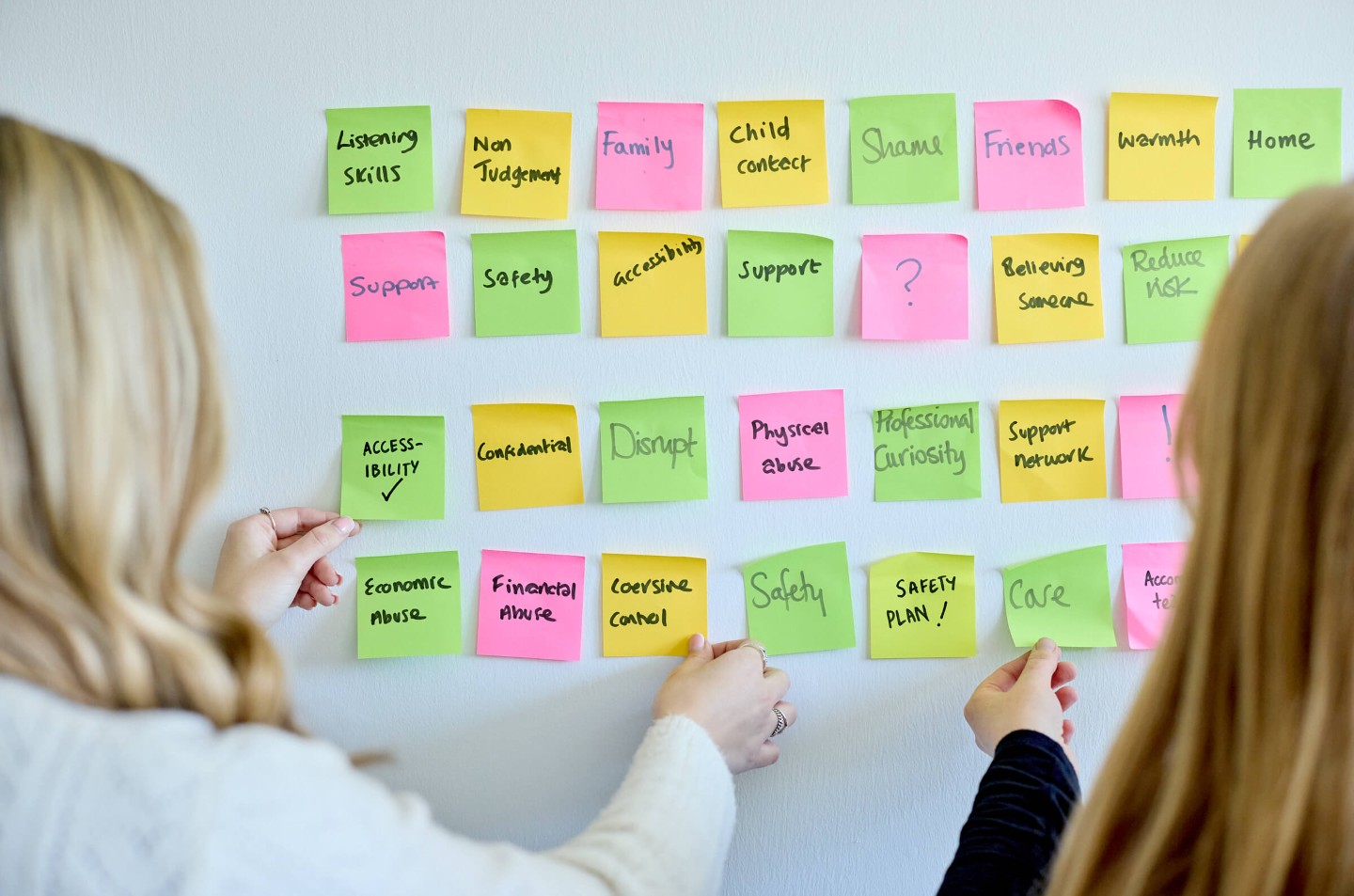
Impact of domestic abuse
Domestic abuse doesn’t only affect the person experiencing it. It affects children, families and communities too. Children who grow up around abuse can experience lasting effects on their wellbeing and future relationships, even if they’re not directly harmed themselves. Abuse can also affect someone’s ability to work, study or stay connected with friends and family. The effects often continue long after a relationship ends, which is why ongoing support matters. Recognising the true scale and impact of domestic abuse helps build a society that responds with understanding, not judgement.
- Physical and mental health
- Children and family relationships
- Friendships and social confidence
- Work, education and finances

Legal rights & guidance
The Domestic Abuse Act 2021 gives survivors in England and Wales clearer legal protection. It created a statutory definition of domestic abuse that includes non-physical abuse, and made non-fatal strangulation and threats to share intimate images criminal offences. Courts can grant protection orders that restrict a perpetrator’s contact with a survivor. Survivors are also entitled to special measures in court, such as giving evidence away from the perpetrator. Under the Right to Ask scheme, you can ask the police whether a partner has a violent history. Legal advice can help you understand your options, whatever you decide to do.
- Domestic Abuse Protection Notices and Orders can restrict a perpetrator’s contact with you.
- Special measures in court can reduce the trauma of giving evidence.
- Priority housing support is available if you need to leave home because of abuse.
- The Right to Ask and Right to Know schemes let you find out about a partner’s history.

Why awareness matters
Domestic abuse is often hidden. Many people don’t recognise it in their own relationships, or in the lives of people they know. This means the true scale of the problem often goes unrecognised. Raising awareness helps people spot the signs earlier, understand that abuse is a choice made by the person using it, and know that support is available. It also helps friends, family, colleagues and professionals respond well when someone opens up to them. Awareness is not just about knowing the facts. It’s about creating a community where people feel able to ask for help.
- Signs someone may be experiencing abuse, such as anxiety, isolation or unexplained injuries.
- Ways to respond if someone tells you they’re experiencing abuse.
- How to look after your own wellbeing if you’re supporting someone else.
Frequently asked questions
We know reaching out can feel like a big step. Here are answers to some questions you might have.
What counts as domestic abuse?
Domestic abuse is a pattern of behaviour used to control someone in a relationship. It can be physical, but it can also be emotional, financial, sexual or online.
I’m not sure if what’s happening to me is abuse. Should I still get in touch?
Yes. You don’t need to be certain before contacting us. We can talk things through with you, with no pressure to take any particular action.
How do I refer someone else, like a friend or family member?
You can use our referral form or contact us directly on their behalf, or encourage them to reach out themselves when they feel ready.
Can men experience domestic abuse?
Yes. Domestic abuse can affect anyone, regardless of gender. Equation offers support for women, men and LGBTQ+ people (lesbian, gay, bisexual, trans, queer and more).
Will contacting Equation be confidential?
Yes. You don’t have to use your real name, and you can choose how much to share with us.